
The Nature of Belonging
The Jungle BookThis flow explores belonging as a negotiated condition shaped by law, affection, usefulness, and exclusion.
increasing Bearing strength in each event
 decreasing
Bearing strength in each eventdecreasingBelonging by Law

Membership Requires Witnesses
Public Recognition
Mowgli's acceptance depends on formal speech and a compensating bull.
Social Meaning
The scene shows that belonging is not merely emotional; communities create procedures to make membership visible and enforceable.
Belonging by Practice

Shared Work Creates Kinship
Repeated Service
Mowgli hunts, learns, removes thorns, and participates in Pack life.
Embodied Membership
His daily usefulness makes him a brother in practice even when his blood remains different. Belonging grows through labor before it is threatened by ideology.
Belonging by Memory

Affection Outlasts Membership
Emotional Continuity
Mowgli and the wolves remain attached after the council expulsion.
A Larger Definition
The story separates social status from emotional truth. A person can be cast out and still remain part of a remembered family.
Belonging Through Migration

A Community Changes Place
Leaving Tradition
The seals abandon familiar beaches rather than accept the killing grounds as inevitable.
Collective Reimagining
Belonging is relocated from an inherited shore to a chosen refuge. Community identity survives because its members move together.
Belonging as Trust
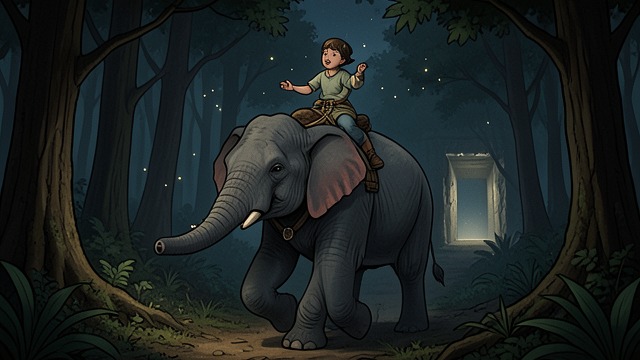
Entering Another Society
Animal Permission
Kala Nag carries Little Toomai into a hidden elephant gathering.
Witness Without Ownership
The boy observes rather than controls the elephants. Belonging here is temporary access granted by trust, not a human right to command.
at Mowgli's first council
during Mowgli's childhood
after Mowgli's departure from the Pack
after Kotick finds the safe rookery
during Little Toomai's elephant dance
